What Is LCHF? The Low Carb, High Fat Diet Explained for Over 50s

In short
LCHF stands for low carb, high fat. You cut back the carbs and sugar, and replace them with fattier meats, eggs, butter, avocado and olive oil, so your body learns to run on fat instead of sugar and starch. For me, four months of LCHF meant losing 23-odd kilos and watching my HbA1c drop into the normal range. In this chat I cover why it works, what to eat, what to avoid (including the hidden sugars and the drinks that catch you out), and how to get started without counting calories.
Key points
- What LCHF means. Low carb, high fat. Like other low carb variants you reduce carbs, but you replace them with higher fat foods: steak with a bit of fat on it, butter, avocado, olive oil.
- Running on fat, not sugar. It trains your body to get its energy from fat rather than burning sugar and starch, and once that happens it starts chipping away at stored fat, including the visceral fat around your belly and organs.
- Insulin and blood sugar. With less sugar coursing through your bloodstream, insulin resistance improves and blood glucose settles. My HbA1c was very high when I was diagnosed with type 2 and was back in the normal range by the end of four months.
- Other benefits I noticed. Weight loss, better focus and less brain fog, and LCHF tends to raise HDL, the so-called good cholesterol.
- What to eat. Any meat (chicken, pork, beef, whatever you like), fish, eggs, butter and olive oil, with leafy greens and salads. Eat as much as you like, no starving required.
- What to avoid. Sugary treats, bread, pasta, rice, potatoes and other starchy root veg, and anything processed in a colourful packet. A bowl of rice is not far off eating eight or ten teaspoons of sugar.
- Read the label. Look at the total carb count on the nutrition panel. If it’s high, leave it on the shelf.
- Watch your drinks. Water, sparkling water or water with lemon beats juice and soft drinks. Wine and beer are fairly high in carbs; spirits are a better option, but the mixers (like tonic) are loaded.
- Start simple. Swap cereal for bacon and eggs, and go back to meat and three veg like our grandparents had, minus the below-ground root veg.
If you hang around the keto and carnivore Facebook groups or on Twitter, you’ve probably seen LCHF pop up. In this video I have a chat about what it actually is, why it works, what you can eat, what to steer clear of, and how to get started.
I’m not a doctor, dietitian or nutritionist, just a bloke on the internet with a phone on a stick telling you what worked for me. Have a chat with your doctor before you change your diet, especially if you’re on medication.
What LCHF stands for
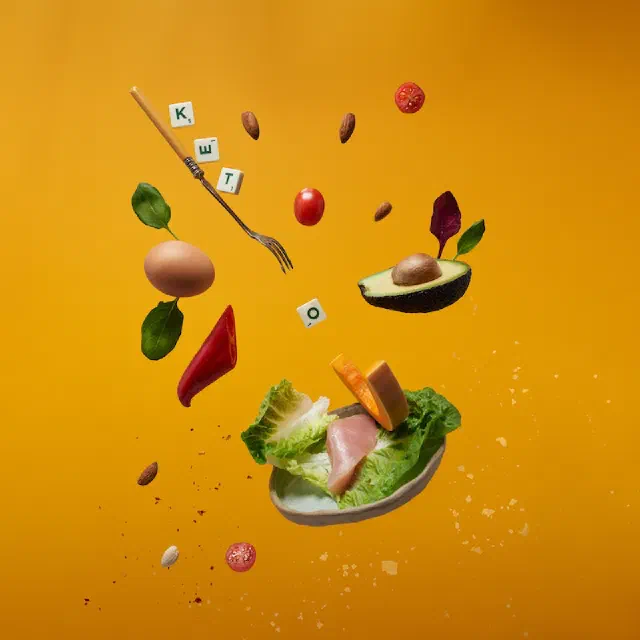
LCHF is simply low carb, high fat. Like most low carb variants (paleo, keto and a whole bunch of others) you reduce your carbohydrate intake. The “high fat” part is what you replace those carbs and sugars with: higher fat meats and veg. That might be steak with a bit of fat on it, butter, avocado or olive oil.
The idea is to train your body to get its energy from healthy fat sources, rather than relying on burning sugar and the starch in carbs. If you’re wondering how it compares with keto, I’ve written about LCHF vs keto and why I’m in the LCHF camp.
Why it works
The big one is insulin. When you cut the sugar freely coursing around your bloodstream and rely on fat for energy, insulin resistance improves, and your blood glucose levels stabilise.
That’s what happened to me. I was a fairly high type 2 diabetic when I was diagnosed, with an HbA1c somewhere around 14 to 17 from memory. After four months of LCHF, switching from carbs and sugar to fatty meats, eggs and butter, it was down to around 5, well into the normal range. That was purely from changing what I ate and doing a bit of light exercise.
Once your body is used to looking for fat as fuel, it releases energy slowly and steadily from what you eat, and then goes to the fat stores in your body for the rest. All that visceral fat laid down over years, in your beer belly and around your organs, starts getting chipped away. That’s why so many people see good weight loss on LCHF. Over those four months I lost 23-odd kilos.
Other benefits
- Weight loss. Remove the carbs and sugar, get your energy from red meat, butter and the good stuff, and despite 50 years of scaremongering from the food companies, the weight comes off. Sure as eggs is eggs.
- Mental clarity. Cutting out inflammatory foods and sugar rushes tends to clear the brain fog. Whatever low carb style you pick, you’ll probably notice a big lift in focus.
- HDL cholesterol. LCHF tends to raise HDL, the so-called good cholesterol your body uses for some pretty essential jobs, like cell regeneration.
What you can eat
Pretty much any meat: chicken, pork, beef, venison, bison, even alligator if you can get it. Fish, eggs, butter and olive oil are all good too. Add leafy green veg and salads and there’s no need to starve yourself. Eat as much as you like, whenever you like, and the results will come. For a fuller list, see what you can eat on a low carb diet.
What to avoid
- Anything sugary. Cakes, cookies and biscuits are out, sorry.
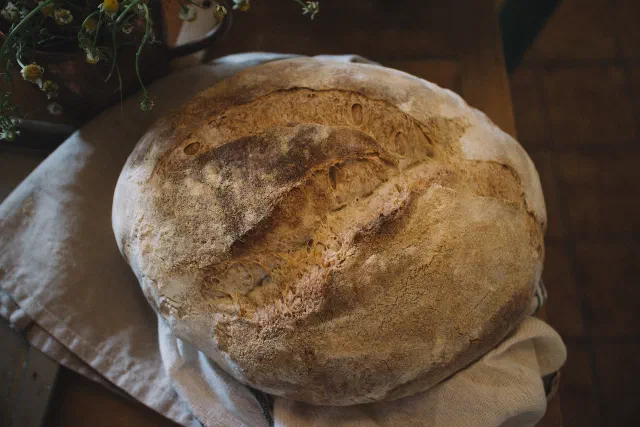
- Bread, pasta, rice and potatoes, plus other starchy root veg like parsnips and turnips. Starch turns straight into sugar in your body. Eat a bowl of rice and you might as well be eating eight or ten teaspoons of white sugar. More on that in avoid bread, rice and pasta.
- Anything processed. Where I live, about 80% of the supermarket aisles are ultra-processed food in colourful packets, and even the low fat diet cereals are pure carbohydrate. These days I only shop the fresh veg section and the meat counter.
- Hidden sugars. These catch everybody out. When in doubt, read the nutrition panel and look at the total carb count. If it’s high, leave it. I’ve had a rant about this in sugar, sugar everywhere.
Drinks and alcohol
Water, sparkling water or water with a squeeze of lemon will do you far more good than fruit juice, and soft drinks are basically glorified sugar water. Wine and beer are fairly high in carbs. Spirits are your best option if you like a drink, ideally with water, because the mixers will catch you out. Gin has zero carbs, but tonic is loaded, which surprised me.
The other problem with alcohol is your decision making. With two or three scotches on board it’s a lot easier to wander to the fridge for a cheaty snack. I gave it away and haven’t looked back.
Getting started
Start swapping the high carb stuff (potatoes, rice, pasta, sugary treats and cereal) for low carb, high fat options. Bacon, eggs, sausage and mushrooms beat a bowl of cereal or muesli for breakfast. Keep it simple, like our grandparents did: meat and three veg, using above-ground veg like cabbage and broccoli, and carrots in moderation.
If you’re not sure what’s safe, I made a free carb guide: two pages you can print and stick on the fridge, with foods colour-coded like a traffic light. Green, have as much as you like. Amber, go carefully. Red, avoid. No charge and nothing to sell you. If you’re over 50 like me, going low carb over 50 is a good next read.
When you’re missing your old favourites, I’ve worked out low carb versions, like low carb fries, sugar-free brownies and low carb pizza.
Grab the free Carb Guide, or read how I lost 44lbs and reversed my type 2 diabetes in 4 months.
Related on the blog
Not medical advice. I'm not a doctor, dietitian or nutritionist, just a bloke telling the story of what worked for me. Check with your doctor before changing your diet or medication.